The typing and typewriter blog
Fonts that look typed, how the machines work, why the keyboard is the way it is, and how to write a letter someone keeps.
Average typing speed by age and by job
Measured typing speeds by age group, and the words per minute that employers and exam bodies actually publish for clerks, data entry operators and court reporters.
Carbon copy meaning: what cc and bcc mean in email
Cc stands for carbon copy, a duplicate typed through carbon paper. Here is the typewriter origin, how To, Cc and Bcc behave in email, and plain rules for using each.
Carriage return: CR, LF and CRLF explained
What a carriage return is on a typewriter, a teleprinter and a computer, why Windows ends lines with CRLF and Unix with LF, and what the Enter and Return keys have to do with it.
The history of the typewriter, 1714 to today
Who invented the typewriter, when, and what happened next: three centuries of writing machines, from the first patent to the last factories, with a full section on India.
How many pages is 1,000 words? Words per page
By the usual rule of thumb, 1,000 words is 2 pages single spaced or 4 double spaced. A full page of solid text holds more. Here are measured figures by font and size, and the typewriter arithmetic behind them.
How to address an envelope: US, UK, India, abroad
Where each part goes on an envelope, with address layouts for the United States, the United Kingdom, India and international mail, taken from the postal operators' own guidance.
How to type faster: methods that have evidence
Seven habits that raise typing speed, the studies behind them, drills for each one and a four-week routine you can measure.
How to use a typewriter: paper, ribbon and return
A beginner's walk through a typewriter: loading paper, setting margins, the bell and the return, correcting mistakes, changing the ribbon, and how manual and electric machines differ.
How to write a cover letter, with an example
A cover letter is one page: why you are writing, two or three paragraphs matching your experience to the job, and a short close. Here is the structure, an example and the regional differences.
How to write a letter: formal letter format
The parts of a letter in order, a block format layout you can copy, the difference between formal and informal letters, and American and British salutations and closings side by side.
How to write a love letter that sounds like you
A practical method for a love letter: start from one specific memory, say what it showed you, say the plain thing once, and keep it to a page. Includes short original examples.
How to write a resignation letter, with examples
A resignation letter needs three facts: that you are leaving, how much notice you are giving and your last day. Here is what else to add, what to leave out, and three short examples.
N-key rollover and keyboard ghosting explained
What key rollover, ghosting and blocking are, why cheap key matrices cause them, what 2KRO, 6KRO and NKRO promise, and how to test your own keyboard in a browser.
Keyboard layouts: QWERTY, AZERTY, QWERTZ, Dvorak
How QWERTY, AZERTY, QWERTZ, Dvorak and Colemak differ, where each is used, how keyboards for other scripts work, and whether switching layout makes you faster.
Keyboard not working? How to find the cause
A step by step diagnosis for a keyboard that has stopped working: test every key, rule out the connection, check the settings that block keys, then look at the hardware.
Monospace fonts: what they are and when to use one
What monospace means, why typewriters were monospaced, where the Courier font and Courier New came from, a table of common monospace fonts, and when one is the right choice.
Pangrams: sentences that use every letter
What a pangram is, a checked list of English pangrams with letter counts, where the quick brown fox came from, and pangrams in four other languages.
Shift key: what it does and why it is called Shift
What the Shift key does, the typewriter mechanism it is named after, why there are two of them, how Caps Lock differs from Shift Lock, and how to turn Sticky Keys off.
Touch typing: home row keys, finger map and plan
What touch typing is, which finger presses which key, how it compares with hunt and peck, what the research says about speed, and a four-week practice plan for beginners.
Typewriter timeline in pictures: 1864 to the 1980s
Forty archive and museum pictures of typewriters in date order, from an 1864 wooden machine to the electronic typewriters of the 1980s.
Typing practice paragraphs: 14 passages by level
Fourteen original practice paragraphs in four levels, with word and character counts so you can work out your speed, and a plan for using them.
What is WPM? Words per minute, CPM and accuracy
WPM meaning, the five characters per word rule, gross and net speed, CPM, key depressions per hour and accuracy, each with the arithmetic worked through.
American Typewriter font: history and free alternatives
American Typewriter is a proportional slab serif from 1974, not a real typewriter face. Here is who made it, where it comes installed, how it is licensed, and which free fonts come close.
How a typewriter works: every part explained
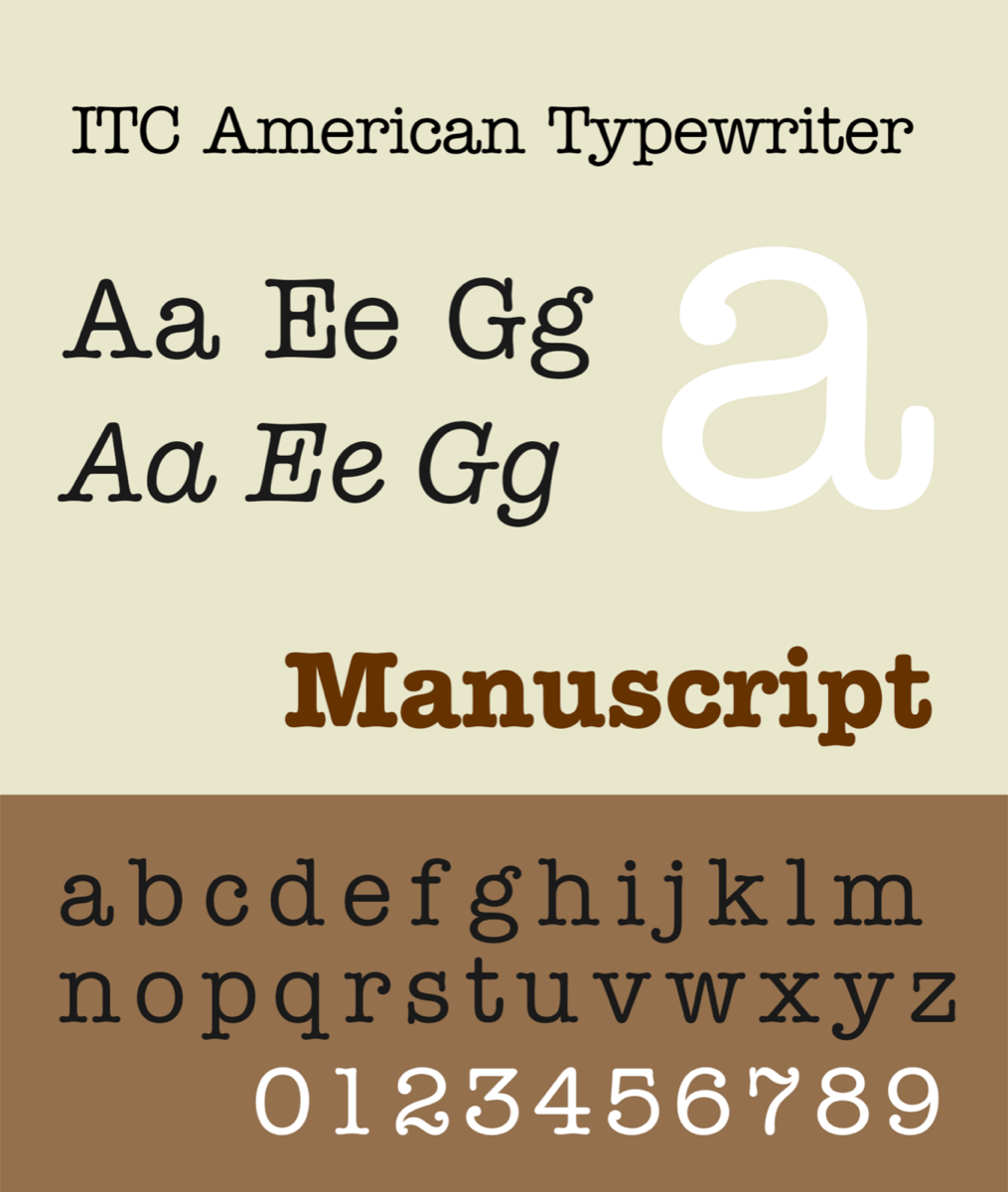
What happens between pressing a key and seeing a letter on the page, followed one part at a time, with a glossary of typewriter part names.
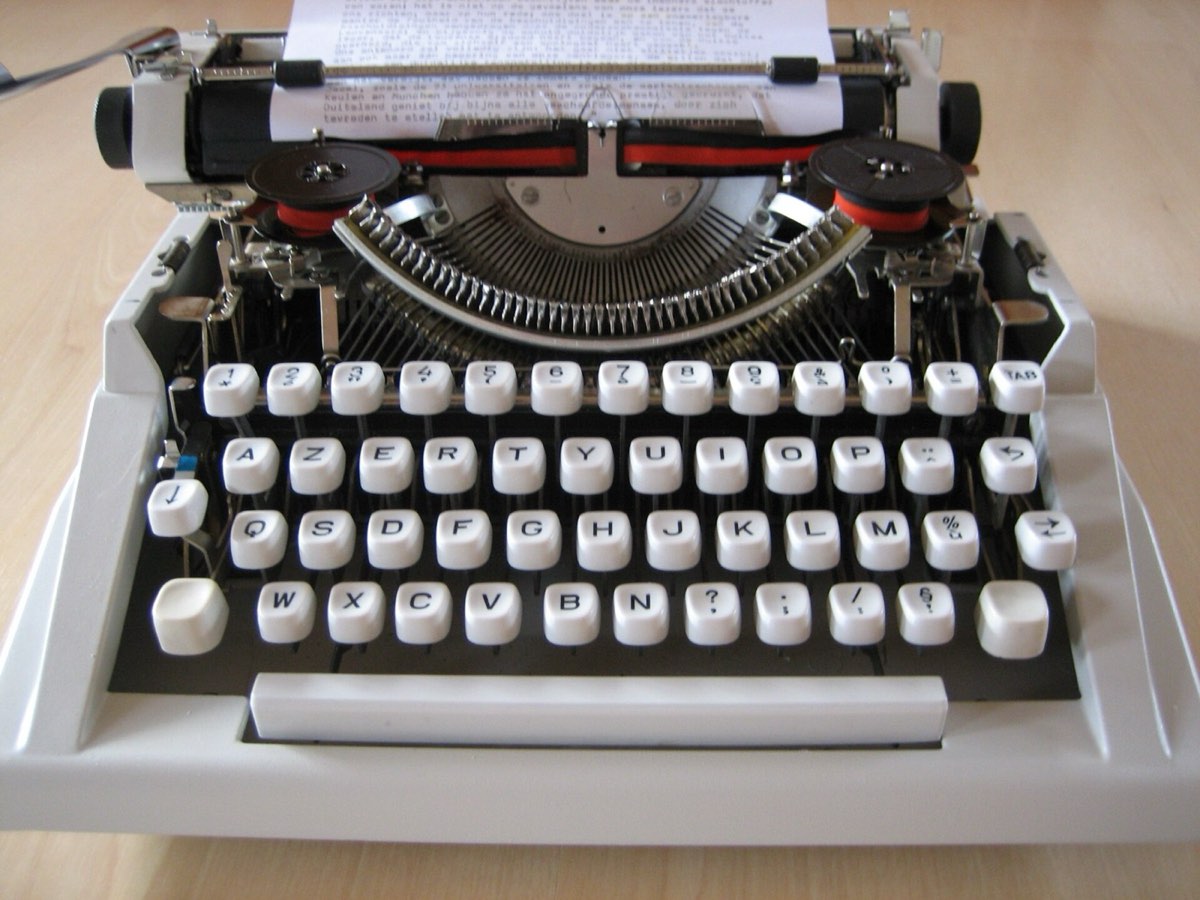
How to write a typewritten letter someone will keep
A practical guide to a typed letter worth keeping: one page, one reader, a real memory, a mistake or two left in, and a signature in ink.
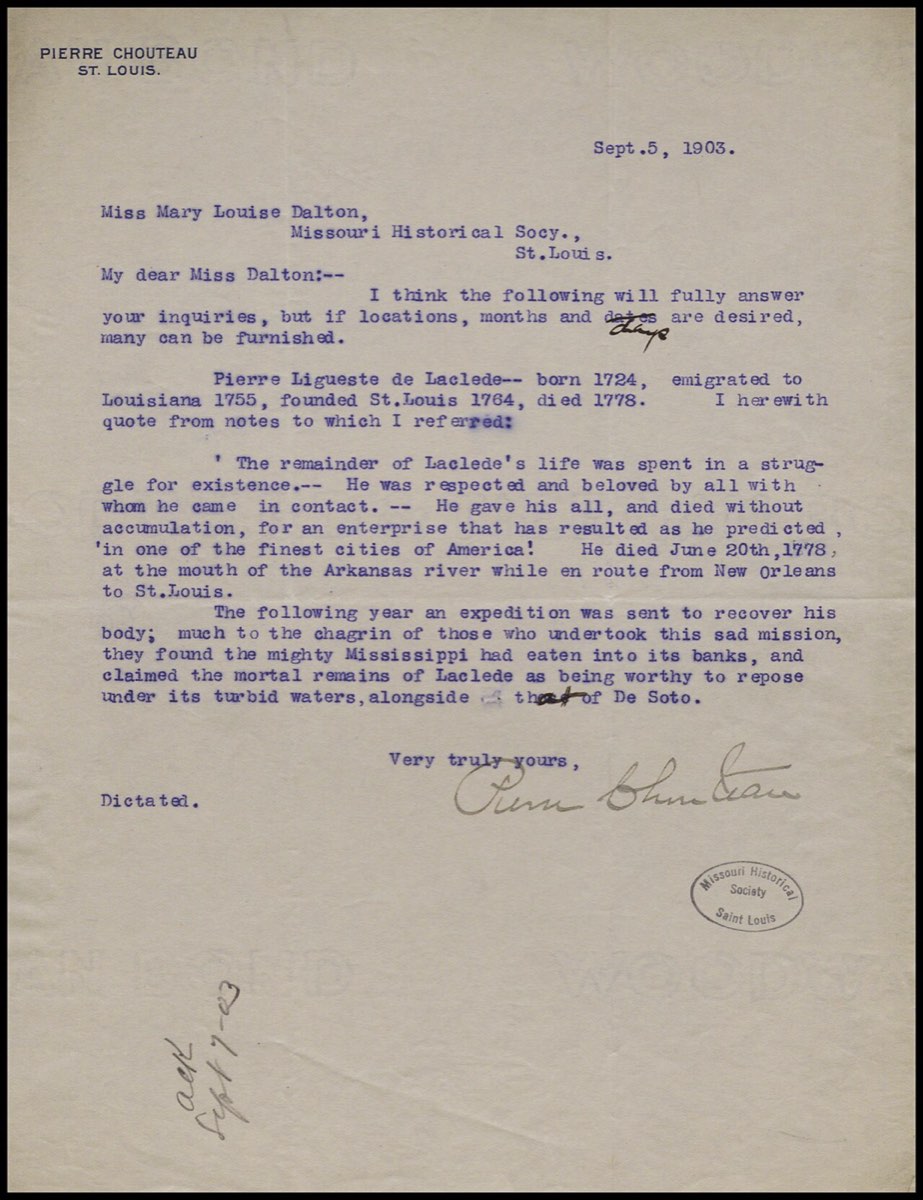
Pica vs elite: typewriter type sizes explained
Pica is 10 characters to the inch and elite is 12. Here is what that means in Courier point sizes, characters per line and lines per page, with the arithmetic shown.
How to use a typewriter font in Google Docs and Word
Courier New is already in both programs. Here is how to add free typewriter faces in Google Docs, install one for Word, and format a page so it reads as typed.
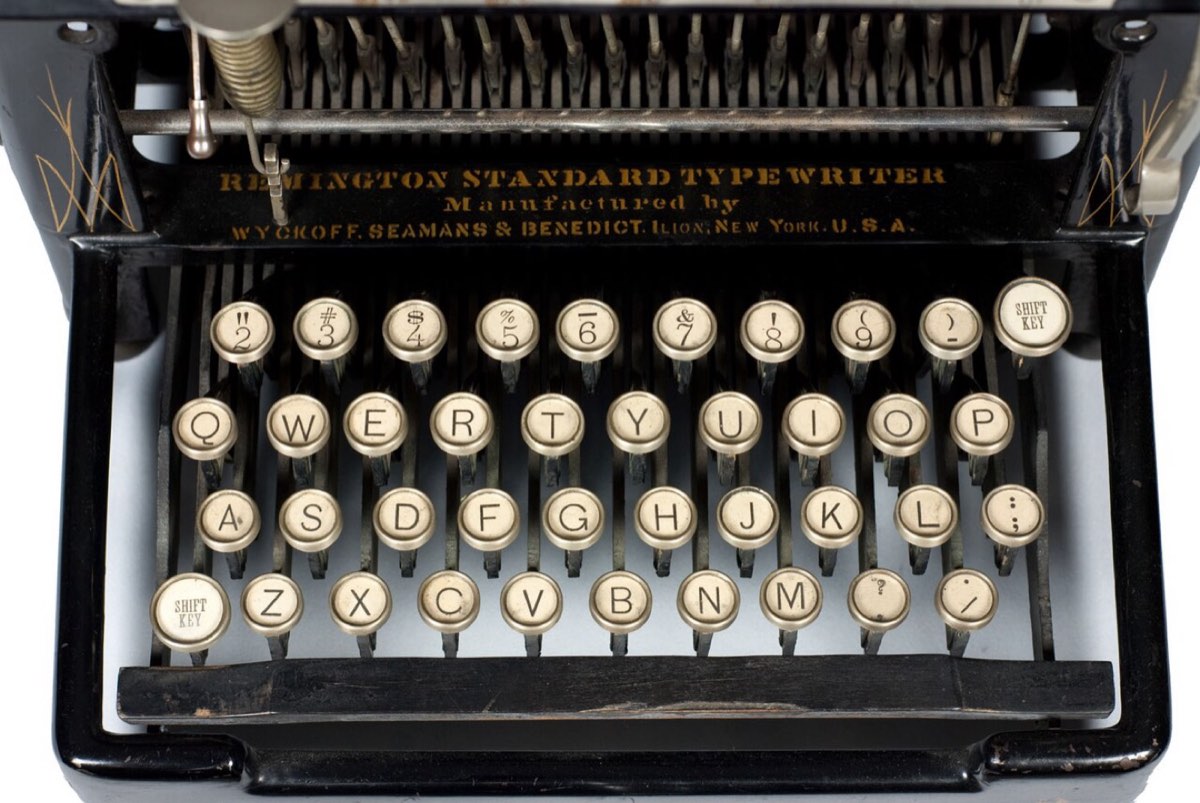
Typewriter keyboard layout: why there was no 1 key
Why old typewriters had no 1 key and no exclamation mark, where QWERTY came from, and which typewriter habits your computer keyboard still carries.
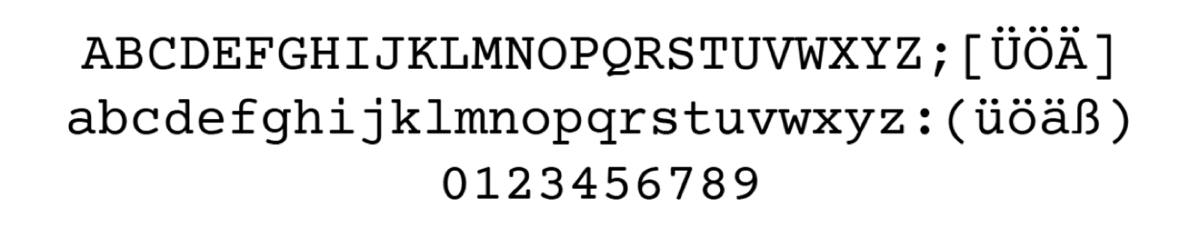
Typewriter font: what font looks like a typewriter?
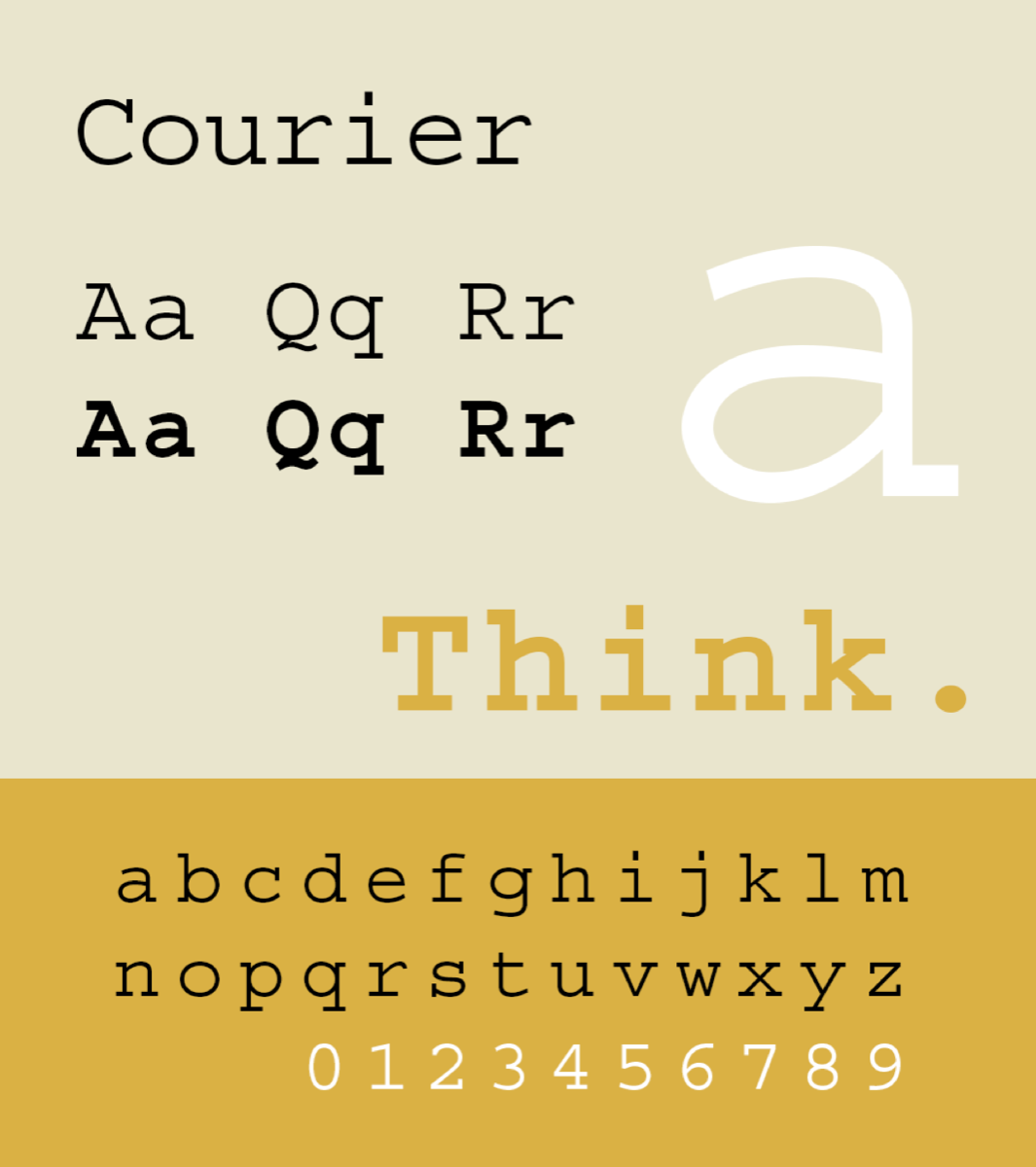
Courier is the short answer. Here is where it and the other well-known typewriter faces come from, which ones are free, and what a font alone cannot reproduce.
What is a good typing speed? WPM explained
The largest keyboard study on record puts the average just under 52 words per minute. Here is what counts as good, how the number is worked out, and what raises it.