How to write a typewritten letter someone will keep
How to write a typewritten letter as a gift: paper and ink, a layout that suits fixed-width type, what to say, what to do about mistakes, and how to send it.
To write a typewritten letter someone will keep, write one page to one person. Open with a memory only the two of you share, put the date at the top right, keep the paragraphs short, leave a small mistake where it fell, and sign in ink. The machine is the lesser part. What makes the page worth keeping is that every character on it was struck once, in order, by someone thinking about the reader.
Why a typed letter lands differently from a printed one
A manual typewriter has no delete key. Backspace moves the carriage back one space and does nothing else, so whatever you strike stays struck. The finished page is a record of how it was made: the wrong key, the second thought, the letter struck a little harder than the rest.
That is what the reader notices. A word-processed letter could have been assembled in two minutes from pasted pieces, and nobody could tell. A typed one took as long as it looks like it took.
You are also likely to be wrong about how it will be received. In a 2018 study in Psychological Science, Amit Kumar and Nicholas Epley had people write letters of gratitude and predict the reaction. The writers underestimated how happy the recipients would be and overestimated how awkward they would feel. They also underestimated how competent the recipients would judge them to be. On that evidence, the letter you are nervous about will read better than you expect.
One caveat. Etiquette still leans toward handwriting for personal letters: the Emily Post Institute calls it preferable. So type because the typing adds something, sign by hand, and write a condolence note with a pen.
Choose paper and ink for the occasion
Three things about the paper matter.
- Size. A short letter looks lost on a full sheet. A half sheet (A5 at 148 by 210 mm, or a US half letter at 5.5 by 8.5 inches) lets 150 words fill the page.
- Weight. Everyday copy paper is 20 lb bond in the US, about 75 gsm, and 80 gsm in most other countries. A 24 lb or 32 lb sheet, about 90 or 120 gsm, feels like something meant to be kept. On a real machine, typists often feed a second sheet behind the letter to cushion the strike.
- Color. As a starting point, use cream for love letters and anniversaries and plain white for thanks and congratulations. Skip anything patterned. Struck type needs a quiet background.
For ink, black is the easiest to read and never wrong. Typewriter ribbons are also sold in black and red, and in colors such as blue, purple and green. Dark blue is a little warmer than black. Save a bright color for a single line.
If you do not own a typewriter, Typebar is a free one that runs in the browser, with struck ink, a moving carriage, a bell and a return lever. Its templates include a love letter and a thank-you letter to type over.
Lay it out so fixed-width type looks right
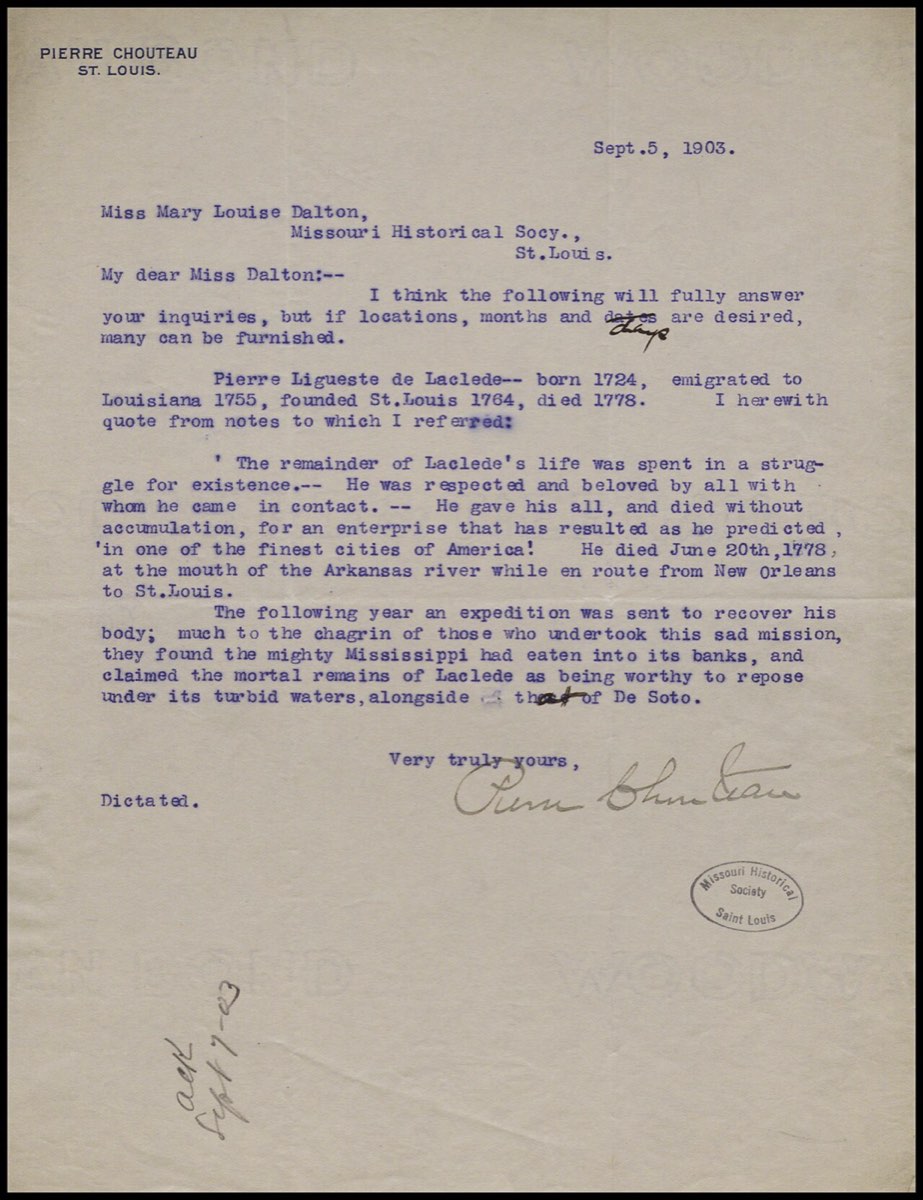
On a standard typewriter every character is the same width. The two common sizes are pica, at ten characters to the inch, and elite, at twelve, and both give six lines to the vertical inch. Layout is therefore a matter of counting. On US Letter with one-inch margins all round, a pica line holds 65 characters, an elite line holds 78, and the page has room for 54 lines.
- Date. Top right, with the month written out. Typists had a shortcut for this. In the modified block style the date starts at the center of the line, which puts it on the right half of the page without counting back from the margin.
- Salutation. At the left margin, a line or two below the date, ending in a comma: "Dear Anna,".
- Paragraphs. Three to five lines each, with a blank line between them. Indent the first line five spaces for the traditional look, or keep every line flush left for a plainer one.
- Sign-off. Start it at the same column as the date. Capitalize only the first word and end with a comma: "Yours always,".
- Signature. Leave about four blank lines and sign by hand. In a personal letter the typed name underneath is optional. The ink is not.
The skeleton looks like this:
                                November 16, 2026

Dear Anna,

     First paragraph, indented five spaces, three to
five lines long.

     Second paragraph.

                                Yours always,


                                (sign here)
Typing classes also taught two spaces after a period. It is optional, and in fixed-width type it looks right.
Write to one person about one thing
- Start with a specific memory. Not "you have always been there for me" but the afternoon, the room and what they said. Detail proves you were paying attention.
- Write to one person. Say "you". Mention something nobody else would understand.
- Work out the order first. A typewriter cannot move a paragraph. Note your three or four points on scrap paper, then type.
- Say the main thing once, in plain words. Then stop. One page is enough.
Opening lines you can adapt
These are examples written for this article, not lines from real letters. Replace every detail with your own.
- For a partner: "It is raining the way it did the night we missed the last train, and I am glad all over again that we walked."
- For a thank-you: "The blue bowl you gave us has not been put away once since March."
- For an old friend: "Twelve years ago this week you knocked on my door to borrow a corkscrew and stayed until two."
- For a parent: "I made your soup on Sunday and got it wrong in the same place I always do."
- For a child to read later: "You are six today and asleep down the hall, and I want to write down what you are like before it changes."
Each one starts in a particular moment and leaves the feeling for later in the letter.
What to do about mistakes
You have three choices.
| Choice | How | Use it when |
|---|---|---|
| Leave it | Keep typing. | The slip is small and the word is still clear. |
| X it out | Backspace to the start of the word, type x over each letter, then type the right word after it. | You picked the wrong word or changed your mind. |
| Correct it | Cover the error with correction fluid or correction tape, then type over it. Fluid has to dry first. | A name, a date or a number has to be right. |
Correction fluid began as a typist's own fix: Bette Nesmith Graham, a bank secretary in Dallas, started painting over her errors with white tempera paint in the 1950s.
A workable rule: fix anything that changes the meaning or misspells their name, and leave the rest. If the mistake is in the first line, start a fresh sheet. A page with no slips at all looks printed, which defeats the point.
Four ways to deliver the letter
| Way | What the reader gets | Best for |
|---|---|---|
| Print and post | A sheet to hold, fold and keep | Anything meant to last years |
| The page exactly as typed, ready to print at their end | Someone far away who will want a paper copy | |
| Image | A picture of the page that opens inside a message thread | A short note sent to a phone |
| A link that types itself | The letter being typed in front of them | A surprise, or a letter read at a distance |
A page made in Typebar can leave in any of these four ways: it prints, exports as a PDF or an image, or goes out as a link that types the letter in front of the reader. Anyone who has the link can open it, so send it to the person and not to a group chat.
If you post it, fold a full sheet in thirds and a half sheet once. US Letter in thirds fits a No. 10 envelope (4 1/8 by 9 1/2 inches). A4 in thirds fits a DL envelope (110 by 220 mm). A5 folded once fits a C6 (114 by 162 mm).
Small touches that make it a keepsake
- One line in a second color. Many typewriters take a two-color ribbon, black above and red below, with a selector that shifts between the two. Use the red once: for the date, their name, or the sentence you most want read.
- A postscript. P.S. stands for the Latin post scriptum, "written after". You cannot reopen a typed page to slip a line in, so the postscript is where the afterthought goes. Make it the lightest line in the letter: a joke, a plan, the thing you nearly forgot.
- A few words by hand. A short line in pen beside your signature shows the page passed through your hands after it left the machine.
- The full date, with the year. Whoever finds the letter in a drawer in fifteen years will want to know.
Then send it the same day, before you talk yourself into a better draft.
Questions people ask
- Is it rude to type a personal letter instead of writing it by hand?
- No, but handwriting is still the traditional preference for personal letters, and the Emily Post Institute calls it preferable. A typed letter reads as personal when it is clearly made for one reader and signed in ink. For a condolence note, write by hand.
- Where does the date go on a typewritten letter?
- In a personal letter the date goes at the top right. Typists often begin it at the center of the line, as in the modified block style, so nothing has to be counted back from the margin. The sign-off then starts at the same column as the date.
- How do you fix a mistake on a typewriter?
- A manual typewriter cannot delete. You can leave a small slip as it is, backspace and type x over a wrong word, or cover the error with correction fluid or tape and type over it. In a personal letter, fix anything that changes the meaning or misspells a name and leave the rest.
- How long should a typewritten letter be?
- One page. A single-spaced US Letter sheet with one-inch margins has room for 54 lines, which is more than most letters need, and 150 to 300 words is plenty. If the letter is short, use a half sheet so the page looks full.
- Can I make a typewritten letter without owning a typewriter?
- Yes. A browser typewriter simulator such as Typebar strikes ink onto a page as you type, and the page can then be printed or saved as a PDF or an image. Print it on heavier paper and sign it by hand, as you would a letter typed on a real machine.